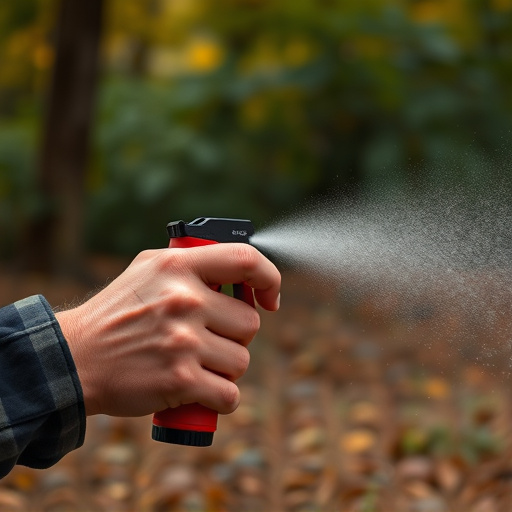
Contact with pepper spray causes severe irritation. Remove contaminated clothing in a well-ventilated area and rinse affected areas with water for at least 15 minutes. Soak clothes in warm water and vinegar for an hour to neutralize chemicals. Wash clothes as usual, following care instructions. Understand legal boundaries and use pepper spray responsibly. Develop a multi-layered defense system including situational awareness and self-defense techniques. Promptly remove pepper spray from clothing to mitigate effects and maintain mobility.
“Discover the power of self-defense with maximum strength pepper spray, a game-changer in personal safety. This comprehensive guide unravels the science behind pepper spray irritation and its potent effects. Learn essential tips on how to swiftly remove pepper spray from clothing, ensuring your comfort and safety post-exposure. Explore legal boundaries governing self-defense with pepper spray and discover alternative strategies for effective protection beyond this powerful tool. Get equipped with knowledge in navigating potential threats.”
- Understanding Pepper Spray Irritation and Its Effects
- Steps to Remove Pepper Spray from Clothing Immediately
- Legal Considerations: When Is Pepper Spray Defense Justified?
- Effective Self-Defense Strategies Beyond Pepper Spray
Understanding Pepper Spray Irritation and Its Effects
Pepper spray, a powerful defensive tool, creates a burning sensation and temporary blindness by releasing capsaicin into the eyes and respiratory system. When exposed, individuals experience intense irritation that can last for several minutes, making it an effective deterrent against potential threats. Understanding how pepper spray affects the body is crucial for both users and bystanders to ensure prompt and appropriate response.
Removing pepper spray from clothing is a critical step after exposure, as the chemical can remain on fabrics, causing continued irritation. In case of accidental contact, immediately rinse the affected areas with large amounts of water to dilute the capsaicin. This simple yet effective method helps alleviate discomfort and prevents further spread of the irritant.
Steps to Remove Pepper Spray from Clothing Immediately
If you find yourself exposed to pepper spray while wearing clothing, it’s crucial to act swiftly. The first step is to quickly remove any contaminated garments. Do this in a well-ventilated area or outside to prevent inhaling more irritants. Peel off the clothes from head to toe, placing them in sealed plastic bags for later disposal.
Next, rinse affected areas with plenty of water. For clothing items, hold them under a strong flow of water for at least 15 minutes. This helps wash away pepper spray residue. Use mild soap if available, but avoid harsh detergents that could irritate the skin further. After rinsing, soak the clothing in a solution of warm water and vinegar for an hour to neutralize any remaining chemicals. Finally, wash the clothes as usual following the care instructions on the garment’s label.
Legal Considerations: When Is Pepper Spray Defense Justified?
In many jurisdictions, pepper spray defense is governed by strict legal parameters, primarily centered around self-defense and public safety. The use of pepper spray, also known as oleoresin capsicum (OC) spray, is generally justified when an individual faces an imminent threat or is attacked. However, the legality varies across regions, with some areas having more stringent rules regarding its deployment. For instance, in some states, pepper spray can only be used if there’s a reasonable belief of an impending physical harm. It’s crucial to understand that using pepper spray against law enforcement officers or in certain public spaces may incur additional legal consequences, including charges for assault or battery.
One key consideration when engaging in a pepper spray defense is removing the spray from clothing as swiftly as possible to mitigate the effects and prevent prolonged discomfort or health risks. This step becomes particularly vital if the spray gets into contact with sensitive areas like eyes, mouth, or open wounds. Proper decontamination techniques, such as using a neutralizing agent or rinsing with water, should be employed immediately after exposure to minimize damage. Understanding both legal boundaries and practical decontamination methods is essential for anyone considering pepper spray defense as a means of self-protection.
Effective Self-Defense Strategies Beyond Pepper Spray
In addition to carrying pepper spray, there are several effective self-defense strategies individuals can employ to enhance their safety and deter potential attackers. While pepper spray is a powerful tool, it’s just one aspect of a comprehensive defense plan. Understanding how to remove pepper spray from clothing is crucial; doing so promptly can help individuals maintain mobility and reduce the impact of the irritant. Simple steps like removing contaminated garments, rinsing affected areas with water, and using mild soaps can aid in quick recovery.
Beyond these practical measures, developing situational awareness and learning basic self-defense techniques are invaluable skills. Practicing escape routes, knowing how to dial emergency services, and keeping a keen eye on surroundings can significantly improve reaction time and decision-making during dangerous situations. Combining these strategies with pepper spray creates a multi-layered defense system that offers greater protection and peace of mind.
In conclusion, while maximum strength pepper spray can be a powerful self-defense tool, understanding its effects and legal implications is paramount. Knowing how to promptly remove pepper spray from clothing (a crucial step after exposure) and employing effective alternative self-defense strategies can significantly enhance personal safety. Always stay informed about local laws regarding pepper spray defense to ensure actions remain justified and proportionate.